What Happens During an Oral Cancer Screening?
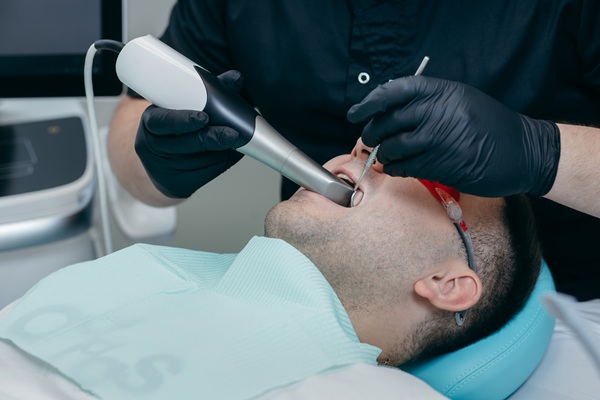
Oral cancer screenings can lead to early detection and less invasive treatment. This quick and painless process enables dental providers, such as periodontists, to detect signs of abnormal tissue changes that may indicate or develop into oral cancer. Through these screenings, patients can better understand their risks and take proactive steps to maintain both oral and general health.
When do you need an oral cancer screening?
Oral cancer can develop with little warning, but certain signs and risk factors may prompt the need for a screening. Common symptoms include persistent mouth sores, unexplained bleeding, or white or red patches on the gums, tongue, or inner cheeks. Difficulty chewing, swallowing, or speaking, as well as a lump, thickened area, or rough patch in the mouth, may also signal concern. Although these signs and symptoms do not always mean cancer is present, it is recommended to have them checked out via an oral cancer screening.
Even in the absence of symptoms or risk factors, many periodontists recommend incorporating oral cancer screenings into routine dental visits. This is particularly applicable if the patient is over 40 or has other risk factors. Regular tobacco or alcohol use, a family history of oral cancer, or prolonged sun exposure to the lips can increase susceptibility.
How an oral cancer screening works
An oral cancer screening typically begins with a visual examination of the entire oral cavity, including the lips, tongue, cheeks, the floor and roof of the mouth, and the back of the throat. The dental provider will use a light and mirror to better inspect hard-to-see areas. During this process, they carefully evaluate any discoloration, sores, or growths for irregularities.
Following the visual check, the provider will then perform a physical examination by gently palpating the neck, jaw, and oral tissues. This detects any lumps or firm nodules that could suggest abnormal cell growth. Some providers also incorporate adjunctive tools, such as special lights, rinses, or dyes, which can highlight suspicious tissue changes that are not easily visible to the naked eye.
The entire oral cancer screening is completed within minutes, bringing no pain or discomfort. If there are signs of anything unusual, a biopsy may be necessary to determine whether further diagnostic testing is necessary.
Why see a periodontist for oral cancer screenings?
A consultation with a periodontist can offer peace of mind and a clearer understanding of oral health status. If signs of oral cancer are present, the periodontist can coordinate care with other specialists and ensure that diagnostic procedures are completed promptly. Many oral cancers are easily treatable when detected early.
Schedule a consultation today
Since periodontists specialize in the health of the gums and supporting structures of the mouth, they are well-positioned to conduct oral cancer screenings. These dental specialists understand how to distinguish between normal and abnormal tissue changes and can provide insight into potential risk factors. Contact our Boca Raton team to learn more about oral cancer screenings.
Request an appointment here: http://www.periodontistboca.com or call Thomas A. Copulos DDS, PA at (561) 763-1066 for an appointment in our Boca Raton office.
Check out what others are saying about our dental services on Yelp: Oral Cancer Screening in Boca Raton, FL.
Related Posts
Periodontics focuses on gum health. Keeping your gums healthy is the main goal of every treatment. Detecting any problem early leads to early treatment. You can also do your part in caring for your gums. Here are some tips from dental professionals who work in periodontics on how to have healthier gums.Bad bacteria in the…
A smile makeover may begin with the gums rather than the teeth when the gumline affects the balance, shape, or health of the smile. Teeth can, for example, appear too short, uneven, or long when the gum tissue does not frame them evenly. A periodontist assesses the relationship between the lips, teeth, gums, and supporting…
Periodontists are the dental care professionals to call if you have periodontal disease. These professionals also studied for three more years. So, they focus more on periodontal health aside from the basic dentistry course. The knowledge, training, and experience they have can help you regain your oral health. If you want to find out how…
A common concern regarding tooth extractions involves the potential for discomfort, yet modern periodontal and oral surgery techniques focus on providing a surprisingly gentle and stress-free experience for every patient. While the idea of removing a tooth may seem daunting, the reality often brings relief, especially if the tooth is a source of chronic infection…