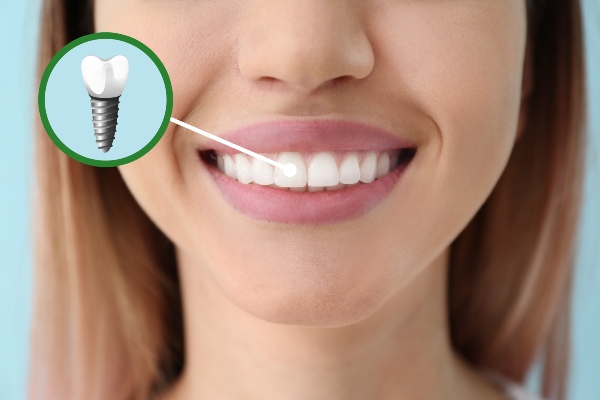
 Periodontists often recommend a dental implant because it is a long-lasting option for restoring a lost tooth and returning the smile to its intact state. However, not everyone is a good candidate for dental implants, and the process can take longer than certain alternatives, such as dentures. If you are considering your tooth replacement options, it is helpful to understand how dental implants work so you can make an informed decision.
Understanding dental implants from a periodontist
A dental implant is installed directly into the jawbone. Since this process requires multiple months to complete, patients should fully understand what it entails.
Why use dental implants?
Dental implants are ideal for tooth replacement because they are durable and have the potential to last for decades with good care. The metal post installed directly into the jawbone provides stimulation that stops jawbone atrophy and keeps the surrounding area stable for the new implant.
The dental implant process
First, the periodontist provides numbing for the patient so they are comfortable throughout the treatment. Then, they make an incision into the gumline to access the jawbone beneath and the socket where the lost tooth previously sat. Once the area is prepared, the dentist screws a metal post into the jawbone before closing the gums.
Then, the patient must wait for several months while the jawbone fuses around the newly installed metal post in a process called osseointegration. This enables the post to serve as a sturdy tooth root. When it is sufficiently strong, the periodontist can place the prosthetic tooth on the top of the post, where it replaces the missing tooth in both function and aesthetics.
Who is a good candidate?
OnA dental implant tends to be a long-term solution for a missing tooth, but not every patient is a good candidate to get one. Patients who do not tolerate surgical procedures well or those who are prone to infection may not be suitable for dental implants. A patient whose jawbone is simply not strong enough to support the pressure of the metal post may still qualify, but they may need a bone graft before the process can begin.e
A bone graft entails a dentist taking bone tissue from elsewhere in the body — commonly from the roof of the mouth — and placing it over the area of weakened or thin jawbone. The patient must then wait several months for the bone tissue to fuse at the site, strengthening and thickening the bone. After this point, the jawbone should be strong enough to support a new dental implant.
Get dental implants from a professional periodontist
If you are considering dental implants, it is crucial to understand the entirety of the process before committing. Contact our office today to schedule an evaluation appointment so we can determine whether you are a good candidate and then help you prepare for the procedure if it is appropriate for you.
Request an appointment or call Boca Perio at 561-763-1066 for an appointment in our Boca Raton office.
Related Posts
Dental implants are one of the most effective and durable solutions for replacing missing teeth. They offer a natural appearance, stability, and the ability to last a lifetime with proper care. While dental implants are highly successful, maintaining them requires ongoing attention to oral hygiene and regular dental visits. Here are essential tips to help…
Restoring your smile with a dental implant can result in better oral function and health. This dental replacement fuses with the jawbone and gum tissue. It offers lasting stability with proper care and maintenance. Here are the details on how a dental implant can improve oral function and health.Research shows that digestion begins in the…
Periodontists often recommend a dental implant for a missing tooth because it has many advantages over alternative options, including dentures. A dental implant is a comprehensive process that requires multiple months from beginning to end. That said, patients often report high levels of satisfaction with their implants and the way that their smiles look afterward.If…