Gum Grafting: FAQs
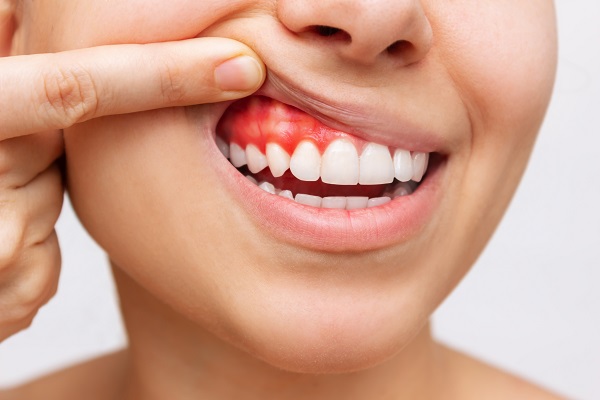
Gum grafting is a procedure that is performed in order to repair, correct, and restore the soft tissues of the oral cavity that hold the teeth in place. The soft tissues, also known as the gums, play a crucial role in the function of the teeth, which is why it is so important to maintain their health. Unfortunately, it can be difficult to maintain good gum health, thus resulting in the need for a gum grafting procedure. Continue reading to learn more about gum grafts.
Understanding gum grafting
Outlined below are some frequently asked questions and answers about gum grafting. This information can be helpful to review when looking into the procedure.
1. When is gum grafting necessary?
Gum grafting is necessary when the gums are in bad shape as a result of periodontal disease. Oftentimes, periodontal disease leads to recession, which requires a graft in order to address. Additionally, periodontal disease causes the gums to deteriorate, even if not receding, which does mean the nerves are at risk of being exposed. In this case, gum grafting is also needed.
2. Is gum grafting a painful procedure?
Gum grafting is a procedure that does require dental surgery; however, modern-day technology allows for numbing agents and pain management, both of which ensure that little to no pain is felt during the actual procedure. After gum grafting is complete, there are a few days of soreness and sensitivity, but again, pain management tools are administered to limit discomfort.
3. Who performs a gum graft?
Dental professionals, such as oral surgeons and periodontists typically perform gum grafting. The procedure does require surgery, which means whoever is performing it does need to have experience, training, and certification to do so. Typically, those suffering from gum problems will start by seeing a general dentist. From there, the patient is referred to a specialist.
4. How long is recovery after a gum grafting procedure?
The average recovery time for gum grafting is a couple of weeks at max; however, this varies based on the person's genetics, as well as how much grafting is necessary. Patients that have gum grafting done can speed up their recovery by avoiding consuming hard and chewy foods. Additionally, drinking green smoothies and a lot of healthy liquids can aid the oral cavity in healing.
5. What is the goal of a gum graft?
The goal of gum grafting is to restore the gums back into a healthy and aesthetically-pleasing state. Periodontal disease or even cavities can cause the gums to recede. Additionally, the overall health of the oral cavity becomes quite compromised. With a gum graft, the soft and hard tissues of the oral cavity are able to be restored.
Find out more
Gum grafting is a procedure that requires preparation. With the help of the answers above, those getting ready for the procedure should feel more at ease. However, in the event that there are other questions regarding gum grafting, feel free to reach out. Any additional questions or concerns can be addressed appropriately.
Request an appointment here: http://www.periodontistboca.com or call Thomas A. Copulos DDS, PA at (561) 763-1066 for an appointment in our Boca Raton office.
Check out what others are saying about our services on Yelp: Read our Yelp reviews.
Related Posts
A dental implant is one tooth replacement option that is available for individuals who are missing a tooth. However, an implant requires a dentist to make an incision into the gums, and it will also take a while for the metal post of the implant to bond with the jawbone. If the patient takes ample…
Dental professionals recommend dental implants as one of the best options for tooth replacement. Implants can be just as long-lasting and functional as real teeth. Now the question remains, who should you consult for dental implant procedures?The dental implant procedure involves placing tiny implants in the jawbone to support a prosthetic tooth replacement. Periodontists are…
Who you choose to do your dental implant procedure matters. A periodontist is a dental specialist who focuses on the health of the gums, jawbone, and supporting structures of the teeth. Their training and experience suit them to perform dental implant procedures, especially in complicated cases.The dental implant procedure involves several steps, including surgery involving…
Dental implants are considered the current “gold standard” for tooth replacement due to the superior benefits they offer patients. Despite their many advantages, they may not be right for everyone. Therefore, patients need to understand the process to make an informed decision.Dental implants are screw-like posts, typically made from titanium, that act as replacement tooth…