Understanding Bone Grafting: How It Restores Jawbone Health and Strength
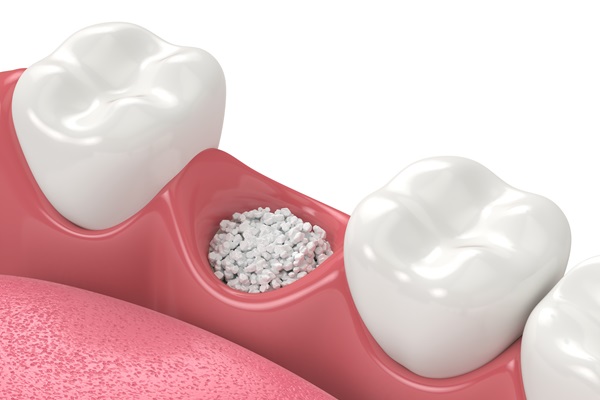
The jawbone is the part of the face that holds many essential elements together, such as the teeth, ligaments, and muscles; however, bone grafting may sometimes be necessary if the jawbone is too weak to perform these tasks. A person’s jawbone can deteriorate over time, whether due to age, genetics, poor oral health, cancer, or any of a variety of other reasons.
The good news is that bone grafting can restore the jawbone to functional strength and health. While the process cannot be completed in just a day or two, its results are long-lasting and can open the way for other useful treatments.
How bone grafting works
Bone grafting is the process of bulking up the jawbone so it is stronger and less brittle, narrow, or fragile than before. Not all patients will need bone grafts, but those who do should understand what goes into the process.
Who needs bone grafting?
Most patients will go their lives without requiring a bone graft to have dental work done. However, in some cases, a bone graft is necessary for dental procedures like implant placement. A person will typically need a bone graft when their jawbone does not have enough support or material to withstand a procedure.
For instance, dental implants require that a metal post be screwed into the jawbone, onto which a false tooth can be affixed. This is a useful tooth replacement option, as the metal post replicates the biting forces of a tooth root. However, if a person’s jawbone is not strong enough to hold the post, the implant post may shift and move, leading to a failed implant. This is one case in which a bone graft could be necessary.
How bone grafting is done
To perform a bone graft, the dentist will collect bone tissue from somewhere else in the body. This is often the roof of the mouth, but it can also come from the chin, the hip, or even a bank of other people’s bone tissue. Then, the dentist will place this grafted bone material onto the weakened area. Over time, the new tissue will fuse with the existing bone to become denser and stronger.
The recovery process
A bone graft can take a while to recover from, but it is only the first few days that pose the greatest inconvenience. Since bone grafts access the bone underneath the skin or gums, patients will need to eat a soft food or liquid diet to enable the surgical site to heal.
Afterward, they can manage their pain with over-the-counter pain relief options. Then, it is simply a matter of waiting (often for around six months) for the new bone to fuse with the existing structures.
Get bone grafting to restore jawbone health
A bone graft is an in-depth process, but it can open up many possibilities for dental implants and other restorations that may not have been possible otherwise. Our experienced team can help you recover quickly from a bone graft so you can get back to living your life to the fullest. Contact our office to ask questions about a potential bone graft, to address any of your concerns, or to schedule an appointment for evaluation.
Request an appointment here: http://www.periodontistboca.com or call Thomas A. Copulos DDS, PA at (561) 763-1066 for an appointment in our Boca Raton office.
Check out what others are saying about our dental services on Yelp: Bone Grafting in Boca Raton, FL.
Related Posts
A dental implant is one tooth replacement option that is available for individuals who are missing a tooth. However, an implant requires a dentist to make an incision into the gums, and it will also take a while for the metal post of the implant to bond with the jawbone. If the patient takes ample…
Dental professionals recommend dental implants as one of the best options for tooth replacement. Implants can be just as long-lasting and functional as real teeth. Now the question remains, who should you consult for dental implant procedures?The dental implant procedure involves placing tiny implants in the jawbone to support a prosthetic tooth replacement. Periodontists are…
Who you choose to do your dental implant procedure matters. A periodontist is a dental specialist who focuses on the health of the gums, jawbone, and supporting structures of the teeth. Their training and experience suit them to perform dental implant procedures, especially in complicated cases.The dental implant procedure involves several steps, including surgery involving…
Dental implants are considered the current “gold standard” for tooth replacement due to the superior benefits they offer patients. Despite their many advantages, they may not be right for everyone. Therefore, patients need to understand the process to make an informed decision.Dental implants are screw-like posts, typically made from titanium, that act as replacement tooth…