What to Expect After Oral Surgery
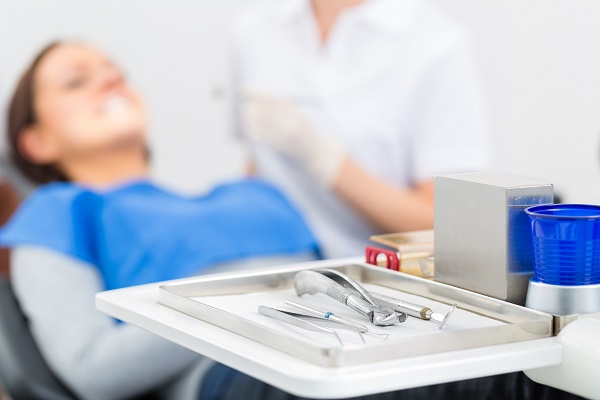
Oral surgery is an umbrella term that covers procedures that range from simple tooth extraction to jaw surgery. The first thing that you will feel after your surgery is a sense of relief that it is over. Also, you will feel really groggy.
You prepared for the surgery and after-care. You have all your medication and soft foods prepared and waiting at home. You also got someone to drive you home and someone to help you with chores. You are ready to get off your feet and start healing.
Life after oral surgery
The following are some tips for your recovery from oral surgery.
1. Pain and discomfort management
Oral surgery can be done under local or general anesthesia. It can also be performed with IV sedation. Immediately after the surgery, a patient will be disoriented and in no condition to get home on their own. The upside is that the person will be numb for a little while.
The dentist or oral surgeon will prescribe painkillers to manage post-operative pain. The patient should take a dose of these painkillers before the anesthetic wears off. This way, the patient gets to remain numb for many hours after the surgery.
To manage the pain and swelling, the patient can also apply ice to their face near the site of the surgery.
2. Swelling and bleeding
Oral surgery leaves a wound and some bleeding is to be expected. Patients will be asked to bite down on some gauze before they leave the dentist’s office. The dental specialist will tell them to change the gauze once it becomes soaked in blood.
Luckily, the bleeding should last no more than 24 hours. Any longer and the patient should see the dentist.
The patient should also expect some swelling and bruising after the surgery. After a few days, the swelling should be nearly or completely gone. However, if the swelling is accompanied by swollen lymph nodes, a fever, pus or pain, the person should see a dentist immediately.
3. Diet
Patients should stick to a diet of soft, semi-solid foods that are lukewarm or cool. The person should avoid using straws to eat or drink their food. The sucking motion of using a straw can dislodge the blood clots that seal the wound, causing renewed bleeding.
To speed up healing, a person should avoid smoking and alcohol use for a few days after the surgery.
4. Oral hygiene
A dentist will advise their patient on how to clean their mouth after oral surgery. The dentist might tell the patient to brush their teeth gently while avoiding the site of the surgery, or they could suggest rinsing with salt water for 48 hours and avoiding brushing and flossing.
It is super important that the patient follow the dentist’s instructions.
5. Rest
The patient should stay off their feet for two to three days after the surgery. They should sleep with their head elevated to avoid pain and bleeding. For the same reason, they should avoid bending and jumping, as too much activity can open up the wound.
The bottom line
Recovery time will vary from a few days to nearly two weeks, depending on the kind of oral surgery that you go through. If you do after-care correctly, you can be up and about in a short amount of time.
Request an appointment here: http://www.periodontistboca.com or call Thomas A. Copulos DDS, PA at (561) 763-1066 for an appointment in our Boca Raton office.
Check out what others are saying about our dental services on Yelp: Oral Surgery in Boca Raton, FL.
Related Posts
A dental implant is one tooth replacement option that is available for individuals who are missing a tooth. However, an implant requires a dentist to make an incision into the gums, and it will also take a while for the metal post of the implant to bond with the jawbone. If the patient takes ample…
Dental professionals recommend dental implants as one of the best options for tooth replacement. Implants can be just as long-lasting and functional as real teeth. Now the question remains, who should you consult for dental implant procedures?The dental implant procedure involves placing tiny implants in the jawbone to support a prosthetic tooth replacement. Periodontists are…
Who you choose to do your dental implant procedure matters. A periodontist is a dental specialist who focuses on the health of the gums, jawbone, and supporting structures of the teeth. Their training and experience suit them to perform dental implant procedures, especially in complicated cases.The dental implant procedure involves several steps, including surgery involving…
Dental implants are considered the current “gold standard” for tooth replacement due to the superior benefits they offer patients. Despite their many advantages, they may not be right for everyone. Therefore, patients need to understand the process to make an informed decision.Dental implants are screw-like posts, typically made from titanium, that act as replacement tooth…