When to Consider Gum Grafting
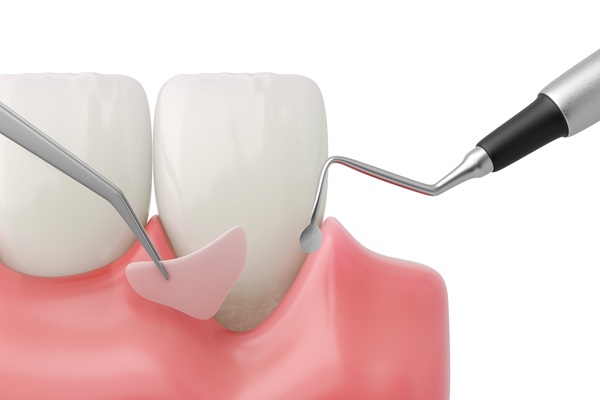
Gum grafting is a surgical procedure that addresses gum recession, a condition where the gum tissue surrounding the teeth wears away, exposing more of the tooth or its root. This exposure can lead to increased sensitivity, a higher risk of tooth decay, and aesthetic concerns. Gum grafting involves taking healthy tissue from another area of the mouth or using donor tissue to cover the exposed root surfaces, restoring the gum line and protecting the teeth. While gum recession can develop gradually, there are specific instances when gum grafting should be considered an essential part of oral health care.
1. Significant Gum Recession
The most obvious reason to consider gum grafting is when gum recession has reached an advanced stage. Various factors, including aggressive brushing, periodontal disease, or genetic predisposition, may cause gum recession. In cases of significant gum recession, the roots of the teeth become exposed, which can lead to heightened sensitivity and an increased risk of damage. Over time, if left untreated, severe recession can result in tooth loss due to inadequate support from the surrounding gum and bone tissue. Gum grafting effectively stops further recession, protects the tooth structure, and reduces the likelihood of more serious complications.
2. Tooth Sensitivity
Increased tooth sensitivity is another sign that gum grafting may be necessary. When the gum tissue recedes, it exposes the tooth's root, which lacks the protective enamel layer on the crown. The exposed root can be highly sensitive to hot, cold, sweet, or acidic foods and beverages. This sensitivity can make eating and drinking uncomfortable or even painful. Gum grafting helps cover these exposed roots, providing a barrier that reduces sensitivity and improves comfort during daily activities.
3. Prevention of Further Damage
Even if gum recession is in its early stages, gum grafting may be recommended as a preventive measure to stop further damage. Once gum recession begins, it can continue to progress if not properly addressed. By undergoing gum grafting early, individuals can prevent additional recession, protect the teeth' roots, and maintain their smile's structural integrity. Preventive gum grafting is particularly beneficial for those with a genetic predisposition to gum recession or individuals who are at higher risk due to factors such as smoking or a history of periodontal disease.
4. Aesthetic Concerns
Gum recession can affect the smile's appearance by making the teeth appear longer or uneven. Gum grafting can offer a solution for individuals concerned about the cosmetic impact of gum recession. The procedure not only restores the gum line but also improves the overall symmetry and appearance of the teeth. Many patients seek gum grafting to enhance the aesthetics of their smile, especially if they feel self-conscious about their receding gums. Restoring the natural gum line can lead to a more balanced and youthful appearance.
5. Treatment of Periodontal Disease
Gum grafting is often considered as part of the treatment plan for individuals with periodontal disease. Periodontal disease, or advanced gum disease, can cause significant gum recession as the infection weakens the gum tissue and underlying bone. In cases where periodontal disease has been treated but left the gums severely recessed, gum grafting may be necessary to restore the lost tissue and protect the teeth. By addressing the damage caused by periodontal disease, gum grafting helps prevent further complications and supports long-term oral health.
6. Long-Term Oral Health
In some instances, gum grafting is recommended to ensure the long-term health of the teeth and gums. As the gums recede, they lose their ability to protect the teeth from harmful bacteria and plaque buildup, which can lead to tooth decay and infection. By undergoing gum grafting, individuals can reinforce their gums and create a healthier environment for their teeth. This proactive approach to oral health can reduce the risk of future dental problems and improve the overall longevity of the teeth and gums.
Get a gum grafting consult today
Gum grafting is a highly effective treatment for addressing gum recession and its associated complications. Whether the recession is advanced, causing discomfort, or impacting the appearance of the smile, gum grafting can provide significant benefits. Individuals should consider this procedure when experiencing severe gum recession, tooth sensitivity, aesthetic concerns, or as part of a comprehensive treatment plan for periodontal disease. By restoring the gum line, gum grafting enhances the teeth' health and contributes to a more confident and functional smile. For more information, schedule a consultation visit today at Thomas A. Copulos DDS, PA.
Request an appointment here: http://www.periodontistboca.com or call Thomas A. Copulos DDS, PA at (561) 763-1066 for an appointment in our Boca Raton office.
Check out what others are saying about our dental services on Yelp: Gum Grafting in Boca Raton, FL.
Related Posts
All-on-4® implants offer patients a practical and effective solution for full-arch tooth replacement. When considering these implants, it can be beneficial to seek the expertise of a periodontist. Periodontists have the training and experience to install these implants, offering numerous benefits to those looking to improve the health and aesthetics of their smile.All-on-4 implants are…
Periodontics focuses on gum health. Keeping your gums healthy is the main goal of every treatment. Detecting any problem early leads to early treatment. You can also do your part in caring for your gums. Here are some tips from dental professionals who work in periodontics on how to have healthier gums.Bad bacteria in the…
A smile makeover may begin with the gums rather than the teeth when the gumline affects the balance, shape, or health of the smile. Teeth can, for example, appear too short, uneven, or long when the gum tissue does not frame them evenly. A periodontist assesses the relationship between the lips, teeth, gums, and supporting…
Periodontists are the dental care professionals to call if you have periodontal disease. These professionals also studied for three more years. So, they focus more on periodontal health aside from the basic dentistry course. The knowledge, training, and experience they have can help you regain your oral health. If you want to find out how…